
What LASIK changes in the eye
The cornea is the clear front surface of the eye and contributes to focusing incoming light. In myopia, hyperopia and astigmatism, the eye’s focusing system does not bring light to a sharp focus on the retina. LASIK uses a computer-controlled excimer laser to remove microscopic amounts of corneal tissue according to a treatment plan. The intended result is a changed corneal shape and a different focusing power.
In conventional LASIK, a thin flap is made in the cornea, lifted for laser treatment and placed back. A femtosecond laser may be used to create the flap instead of a mechanical instrument. The word “bladeless” describes one step of the technique; it does not mean surgery is risk-free. Whether a flap-based approach makes sense depends on measured corneal features, prescription, eye health and the person’s needs.
The evaluation comes before a procedure choice
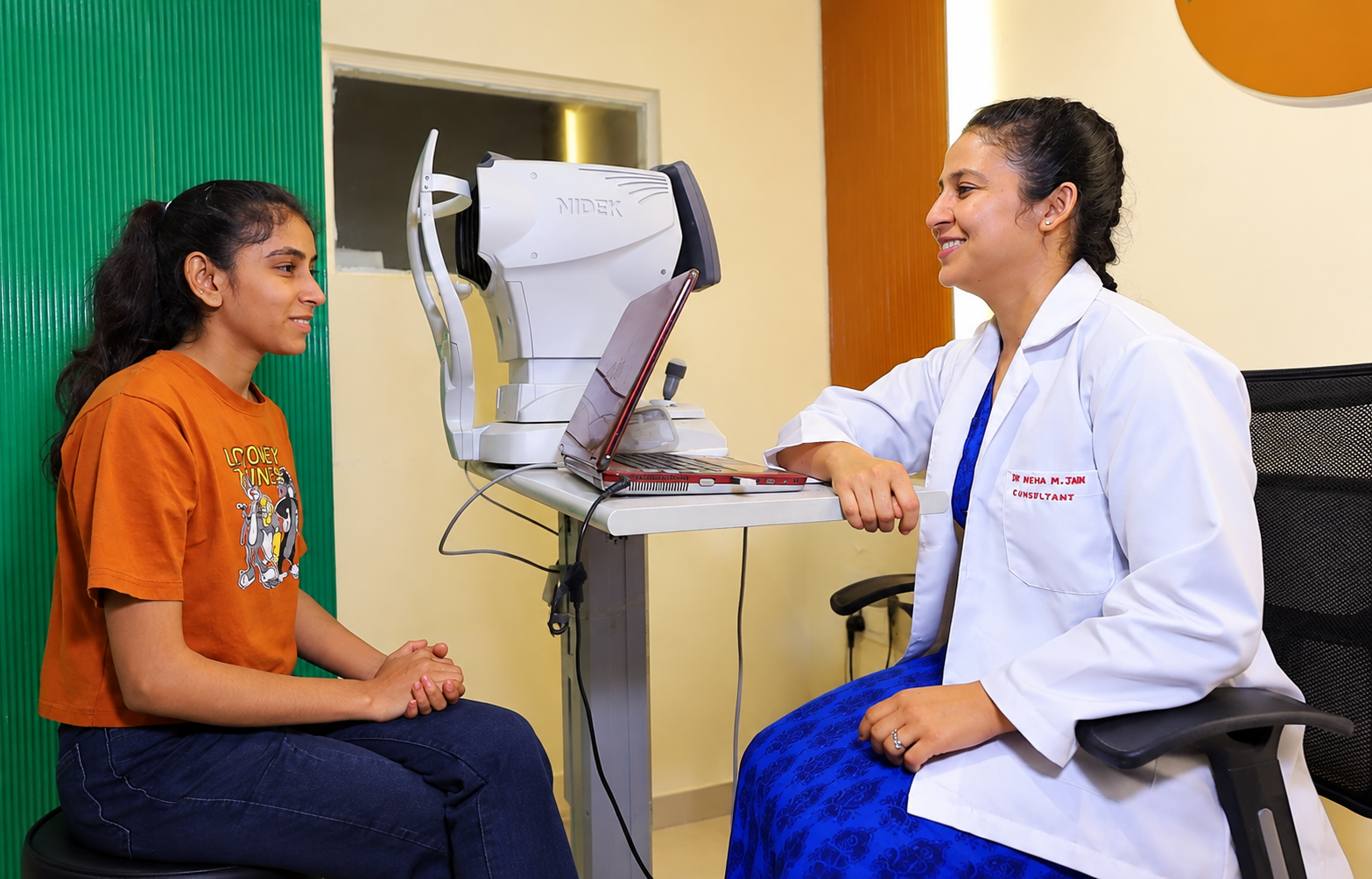
A glasses prescription by itself cannot answer the candidacy question. A consultation commonly includes a medical and eye history, a refraction, an eye-health examination and measurements of the corneal surface. The clinician may assess tear-film symptoms, corneal thickness and shape, pupil size, prescription stability and the retina when indicated. Contact lens wear can change corneal shape temporarily, so the clinic may give you instructions about when to stop wearing lenses before measurements.
Tell the ophthalmologist about past eye surgery, injuries, dry-eye symptoms, medicines, pregnancy or breastfeeding, chronic illness, sports and job requirements. These details are not automatic pass-or-fail answers. They help the clinician decide whether to treat a condition first, collect more measurements, discuss another option or recommend that you continue with glasses or contacts.
What happens on the treatment day
If you and the surgeon decide to proceed, the clinic should explain the plan, consent, medicines, transport and follow-up in advance. Numbing drops are generally used. The eye is positioned under the laser and the surgeon follows the agreed treatment plan. Patients are usually awake; they may notice pressure, lights or brief changes in vision. Exact equipment and steps differ between centres and techniques, so ask the treating team to describe its own process rather than relying on a generic online description.
Do not arrive expecting that a short procedure means a trivial decision. Confirm which eye or eyes are being treated, what correction is planned, what alternatives exist, what can happen if the treatment is paused, and whom to contact afterward. Arrange an adult to take you home if the clinic advises it. Never drive yourself immediately after a procedure unless the treating team explicitly says it is safe.
Recovery is individual, not a fixed promise
Some people notice clearer vision relatively soon after LASIK, but clarity may fluctuate while the eye settles. Temporary dryness, watering, light sensitivity, a gritty feeling, glare or halos can occur. The timing and intensity vary. Use prescribed drops exactly as directed, attend every planned review and do not rub the eyes. The surgeon’s instructions for your specific technique take priority over general checklists on the internet.
Before booking, ask how much time to keep free from work, commuting, exercise, swimming, eye make-up and screen-heavy tasks. Get the advice in writing so you do not have to remember it while tired. Do not restart contact sports, use unprescribed drops or change your medicines based on a general web article.
Benefits, limits and risks belong in the same discussion
The potential benefit is reduced reliance on corrective lenses for some activities. Many people still use glasses for particular tasks or later in life. LASIK cannot prevent presbyopia, the age-related difficulty focusing up close, and it does not protect the retina from unrelated disease. If a prescription is high, the cornea is unsuitable or another eye condition is present, a different option—or no surgery—may be safer.
Possible problems include dry eye, glare or halos, fluctuating vision, residual prescription, under- or over-correction, infection, inflammation and flap-related complications. Serious loss of best-corrected vision is uncommon but must not be presented as impossible. Ask the surgeon to explain which risks are relevant to your measurements, how problems would be managed and what alternatives remain if the result is not as expected.
A short decision checklist
- Ask what your corneal maps, thickness and prescription stability mean—not just whether a machine says you are eligible.
- Ask why the proposed procedure fits better than PRK, SMILE, a lens option or glasses in your particular case.
- Ask for the likely recovery plan, follow-up dates, written cost breakdown and a contact route for concerns.
- Take time to decide. A responsible recommendation should leave room for questions and for declining elective surgery.
Common questions
Does LASIK remove the need for glasses forever?
Not necessarily. It may reduce reliance on glasses or contacts, but residual prescription, later prescription changes and age-related near-vision changes can still mean glasses are useful. Outcomes differ by person.
Is LASIK painful?
Numbing drops are commonly used, and people describe the experience differently. You may notice pressure or light sensitivity. Ask your surgeon what sensations to expect and what to do if you feel pain afterward.
Can an online test tell me if I am eligible?
No. A quiz cannot measure corneal shape, thickness, tear film or eye health. It can help you prepare questions, but suitability requires an examination by an ophthalmologist.
Where can I read about risks from a public health source?
The U.S. FDA and the American Academy of Ophthalmology publish patient information. Their links are included in the references below; discuss local device approvals and your own case with your clinician.
Further reading
Public patient information used as a starting point for this overview:
External references may describe a different country’s device approvals or care pathway. Confirm local requirements and advice with your clinician.