
What “permanent” means for the cornea
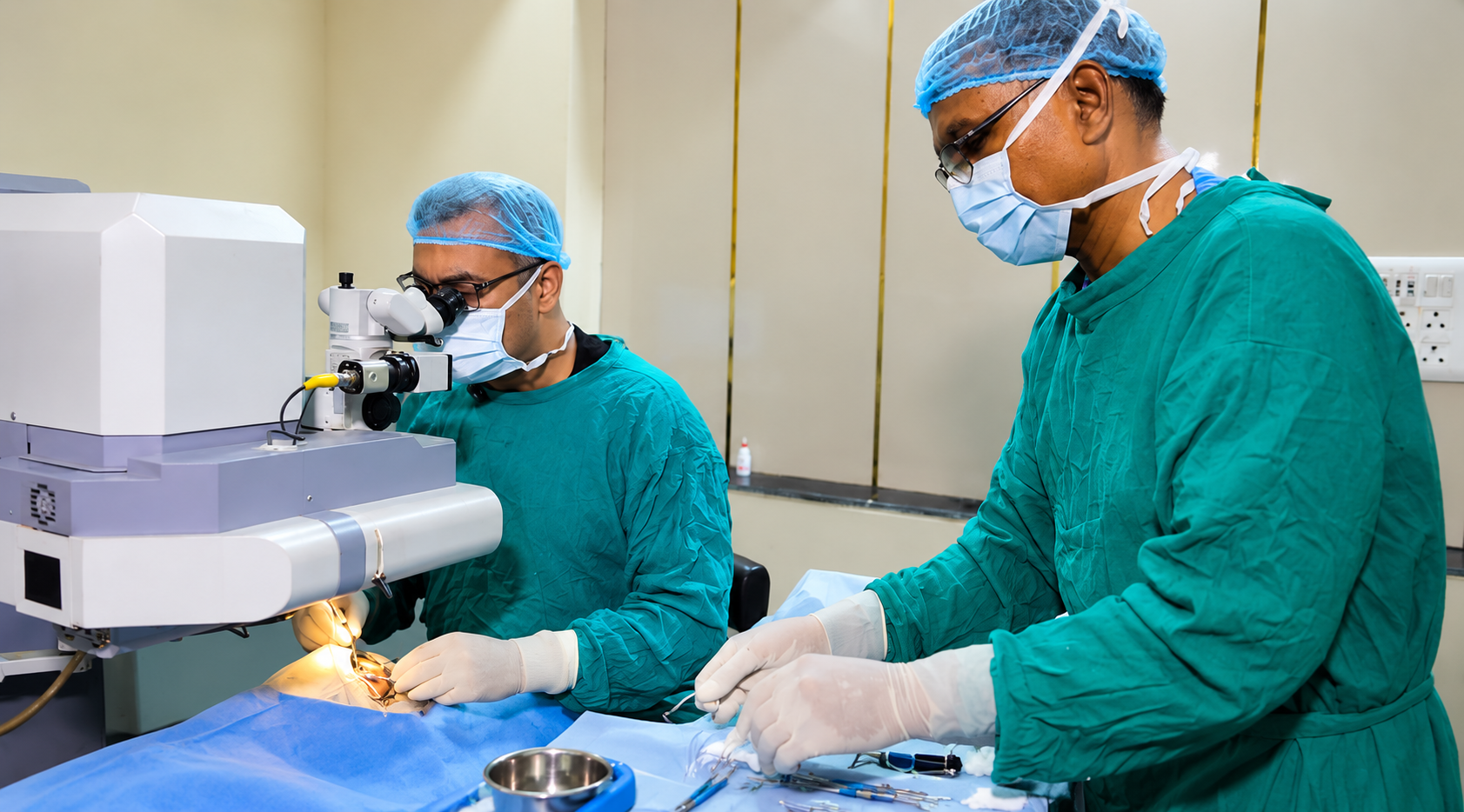
LASIK uses a laser to reshape corneal tissue and change how light is focused. That tissue change is intended to be lasting. LASIK can reduce dependence on glasses or contact lenses for some people, but it does not promise perfect vision or prevent every future need for corrective lenses.
The result depends on the original prescription, corneal measurements, the treatment plan and healing. Small residual prescription or a later change can mean that glasses are still useful for some activities. No online description can predict your individual result.
Eyes and prescriptions can change later
Refractive error can change after surgery for reasons related to the eye and the person’s health. Some people notice a return of blur or need glasses for particular tasks. A new vision change should be assessed rather than assumed to be ordinary regression: an eye examination checks for other causes that may need attention.
LASIK also does not stop presbyopia, the age-related difficulty focusing up close that commonly develops in midlife. A person who had clear distance vision after LASIK may later need reading glasses. This is a natural change in the eye’s focusing system, not proof that the corneal laser effect has disappeared.
Surgery does not replace routine eye care
A history of LASIK does not protect against cataract, glaucoma, retinal disease or other eye conditions. Keep routine eye examinations and tell future eye-care professionals that you have had refractive surgery. That history can matter when interpreting measurements and planning later care.
Contact the eye-care team about a sudden change, persistent blur or symptoms that affect daily activities. Severe pain, sudden vision loss, flashes with a curtain-like shadow or significant eye injury require urgent assessment rather than waiting for a routine visit.
Questions for your surgeon
- What result is realistic for my prescription and measurements?
- Could I still need glasses for distance, near work or night driving?
- How will future prescription changes be checked and managed?
- What records from this treatment should I keep for future eye exams?
Common questions
Does LASIK last forever?
The corneal reshaping is intended to be lasting, but a person’s prescription and visual needs can change over time.
Can glasses be needed again after LASIK?
Yes. Some people use glasses for residual or later refractive changes, near vision or particular tasks.
Does LASIK prevent reading glasses as I get older?
No. LASIK does not stop presbyopia, the age-related change in near focusing. Ask how your age and goals affect the options.
Further reading
Public patient information used as a starting point for this overview:
- American Academy of Ophthalmology: LASIK — Laser Eye Surgery ↗
- American Academy of Ophthalmology: Questions to Ask When Considering LASIK ↗
External references may describe a different country’s device approvals or care pathway. Confirm local requirements and advice with your clinician.